
Purpose Quest
APPENDIX II. - The Government's Mission
Introduction
This essay is not about any specific government, but rather about the concept of government in general. It is not about the United States government, or any other specific city, county, or country government, but rather about the idea of government as a whole. It is not about the current state of government, or any specific policies or actions, but rather about the concept of government and its role in society.
I have given the subject a great deal of thought and carried out extensive research on the topic. I have read many books and articles on the subject from Plato to modern times. I have come to the conclusion that the government's mission is to serve the people. Although that may well be true, the concept is too general and could use some refinement. In the final synthesis, the government's mission is to create and maintain conditions under which individuals and organizations can thrive.
How does government govern?
Governing means the granting of licenses, permits, and other forms of authorization to individuals and organizations to carry out certain activities. It also means the regulation of those activities to ensure that they are carried out in a manner that is consistent with the public interest.
Notice that the government's mission is not to directly provide goods and services to the people, but rather to create and maintain conditions under which individuals and organizations can thrive. This is an important distinction, because it means that the government's role is not to be a provider of goods and services, but rather to be a facilitator of economic and social activity. The government does this by creating and enforcing laws, regulations, and policies that promote economic growth, social welfare, and the general well-being of the population.
This implies that the government should not own and operate businesses, but rather should create a favorable environment for businesses to operate. It also implies that the government should not directly provide goods and services to the people, but rather should create conditions under which individuals and organizations can thrive. This is not to say that the government should not provide certain goods and services, such as national defense, public safety, and infrastructure, but rather that the government's role in providing those goods and services should be limited to what is necessary to create and maintain conditions under which individuals and organizations can thrive.
The government's mission
In summary, the government's mission is to create and maintain conditions under which individuals and organizations can thrive. This means that the government should focus on bringing about a favorable environment for economic and social activity, rather than directly providing goods and services to the people. The government should enact and enforce laws, regulations, and policies that promote economic growth, social welfare, and the general well-being of the population. By doing so, the government can help to create a society in which individuals and organizations can thrive and contribute to the overall prosperity and well-being of the community.
The least efficient provider
It has been proven that the government is the least efficient provider of goods and services. This is because the government is not subject to the same competitive pressures as private businesses, and therefore has less incentive to be efficient. The government also has a tendency to be bureaucratic and slow to respond to changing circumstances, which can lead to inefficiency. By its very nature, government is a regressive force that tends to stifle innovation and creativity, and to promote conformity and mediocrity. This is because government is based on the principle of centralization, which means that power and decision-making are concentrated in a small group of individuals who are not accountable to the people. This often leads to corruption, inefficiency, and a lack of responsiveness to the needs of the people, changes in the market, or competition.
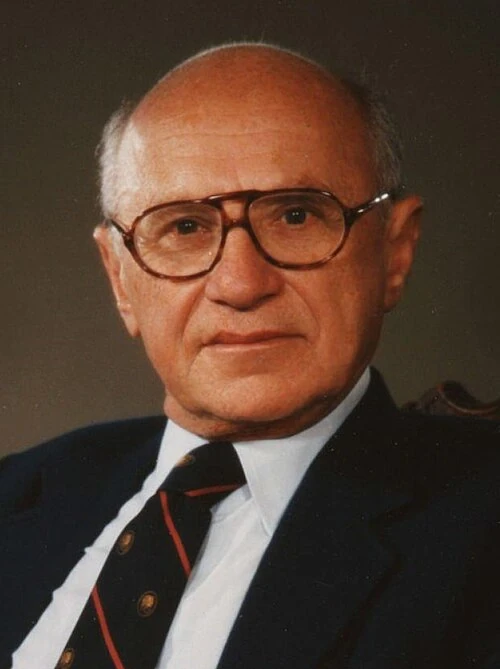
Milton Friedman was an American economist and statistician who won the Nobel Memorial Prize in Economic Sciences in 1976 for his research on consumption analysis, monetary history and theory, and the complexity of stabilization policy. He was a professor emeritus at the University of Chicago and a senior research fellow at the Hoover Institution. He was also a consultant to the U.S. government and a member of the President's Council of Economic Advisers. Friedman was a leading advocate of free-market capitalism and a critic of government intervention in the economy. He argued that the government's role should be limited to protecting property rights, enforcing contracts, and providing a stable monetary framework. He once quipped,
If you put the federal government in charge of the Sahara Desert, in five years there'd be a shortage of sand.
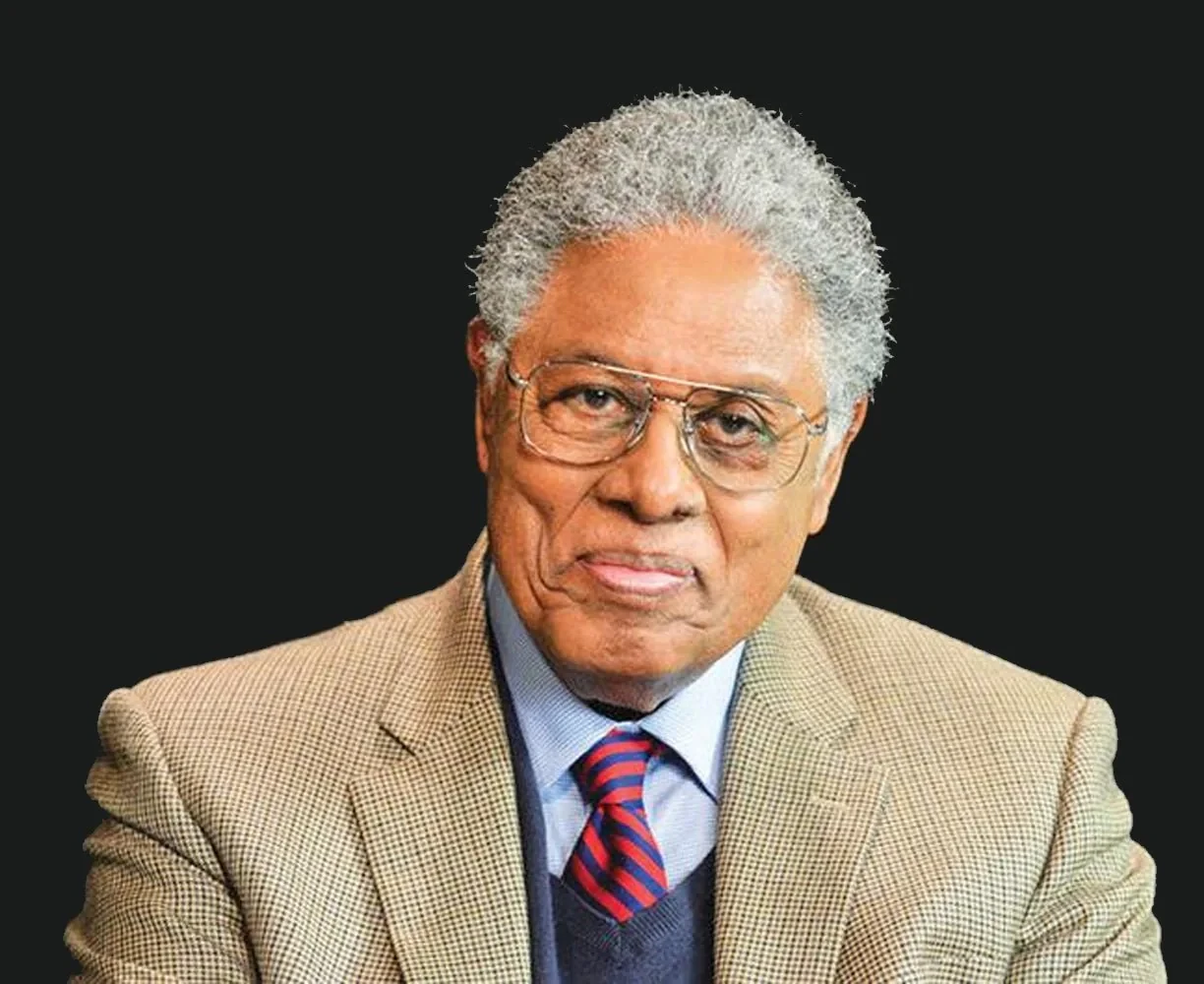
Thomas Sowell is an American economist, social theorist, and a senior fellow at the Hoover Institution. He was a recipient of the National Humanities Medal from President George W. Bush in 2002. He is the author of more than 45 books (on a variety of subjects, including politics, economics, education, and race), and he has been a syndicated columnist in more than 150 newspapers. He wrote,
It is hard to imagine a more stupid or more dangerous way of making decisions than by putting those decisions in the hands of people who pay no price for being wrong.
I wholeheartedly agree with both of these statements. The government is the least efficient provider of goods and services, and it is hard to imagine a more stupid or more dangerous way of making decisions than by putting those decisions in the hands of people with no accountability to the public they have been elected to serve. This is why I believe that the government's role, power, and means should be limited.
The role of government
The essential responsibility of government is to protect the rights and freedoms of its citizens. This includes public safety (protecting individuals from harm), ensuring that contracts are enforced, and providing a stable monetary framework. The government should also provide a legal framework for the resolution of disputes and the protection of property rights.
In addition, the government should also establish and enforce high standards for education, healthcare, infrastructure (roads, bridges, tunnels, and transportation in general), and provide a social safety net for those who are unable to support themselves.
The attributes of good government
The essential attributes of good government are accountability, transparency, efficiency, and responsiveness. Accountability means that government officials are answerable to the people for their actions and decisions. Transparency means that government operations and decision-making processes are open and accessible to the public. Efficiency means that government resources are used in a way that maximizes the benefits to the public while minimizing waste and inefficiency. Responsiveness means that government officials are attentive to the needs and concerns of the public and are able to adapt to changing circumstances and priorities. By adhering to these attributes, government can better serve the needs of its citizens and promote the overall well-being of society.
The constraints on government
The Constitution
The most important constraint on government is the Constitution, which establishes the framework for the operation of government and limits its powers. The Constitution also protects the rights and freedoms of citizens and provides a system of checks and balances to prevent the abuse of power. In addition to the Constitution, there are also other constraints on government, such as the rule of law, public opinion, and the separation of powers.
Rule of law
The rule of law means that government officials are subject to the same laws as citizens and must operate within the bounds of the law. Public opinion can also serve as a constraint on government, as elected officials may be held accountable by voters for their actions and decisions.
Separation of powers
The separation of powers means that the different branches of government (executive, legislative, and judicial) have distinct powers and responsibilities, which can serve as a check on each other and prevent any one branch from becoming too powerful. By adhering to these constraints, government can better serve the needs of its citizens while also protecting their rights and freedoms, and promoting the common weal.
Budget and fiscal discipline
Another important constraint on government is the budget. No government should be allowed to borrow money or spend money that it does not have. This is a fundamental principle of sound fiscal policy, and it is essential for the long-term sustainability of government. When governments borrow money or spend money that they do not have, they are essentially engaging in a form of financial irresponsibility that can lead to economic instability and ultimately to the collapse of the government itself. By adhering to a balanced budget and avoiding borrowing, governments can better serve the needs of their citizens while also promoting economic stability and growth.
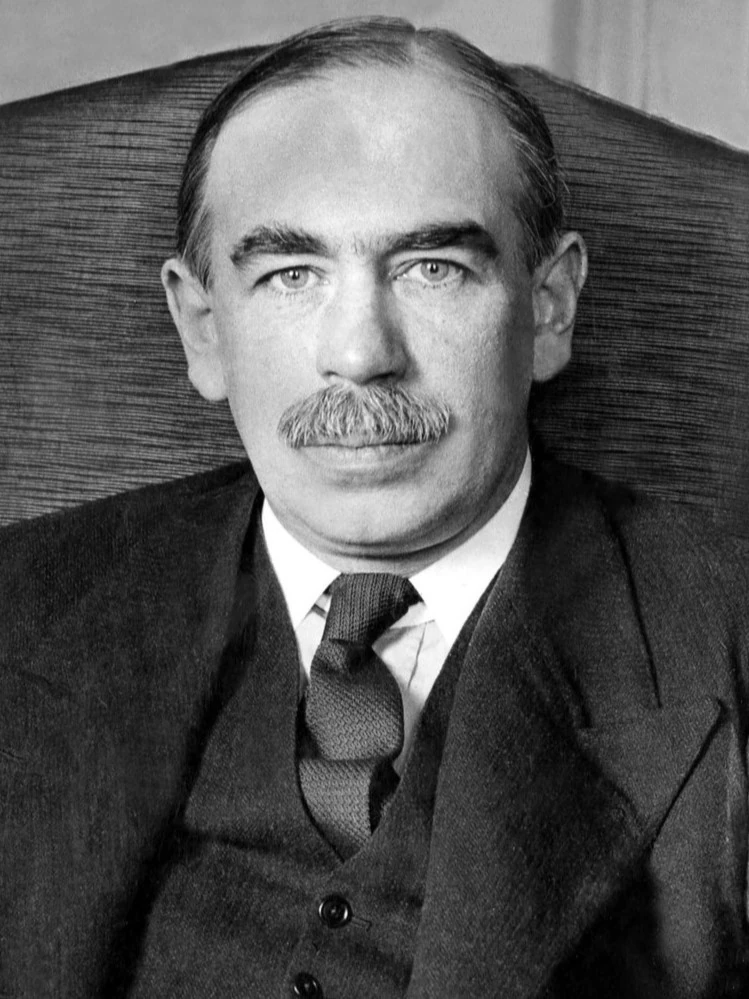
John Maynard Keynes was a British economist whose ideas fundamentally changed the theory and practice of macroeconomics and the economic policies of governments. He is widely considered to be one of the founders of modern macroeconomics and is best known for his advocacy of government intervention in the economy to mitigate the adverse effects of economic recessions and depressions. Keynes argued that during times of economic downturn, governments should increase spending and lower taxes to stimulate demand and boost economic activity. He also advocated for the use of monetary policy to manage the economy, such as adjusting interest rates and controlling the money supply. Keynes's ideas have had a profound impact on economic policy and continue to be influential in shaping economic thought and policy today.
Keynes's ideas have been widely debated and criticized by economists and policymakers, with some arguing that his advocacy of government intervention can lead to inefficiency and unintended consequences. However, his contributions to economic theory and policy have been significant and continue to be studied and applied in various contexts around the world.
I, however, respectfully disagree with Lord Keynes's advocacy of government's borrowing, even in hard times, because governments rarely return to producing a surplus and repaying the debt. Instead, they continue to borrow and spend, leading to a cycle of debt that can spiral out of control and can be difficult to break. This is why I believe that governments should adhere to a balanced budget.
I have written extensively about honest money in my blog. If you are interested in what a government that adheres to a sound monetary policy looks like, please read my blog post on the subject, The Future of Government and Money.

About Me
Location: Gyöngyös, Hungary (GMT+1) and pretty much anywhere else in the world. I am a digital nomad and travel while working, or vice versa.
I was born in Budapest, Hungary where I grew up (albeit many would debate the conclusion). I escaped the then communist country at age 19 and emigrated to the United States. After a 40-year career as a software engineer, manager, director and business owner, I retired to the Philippines where I had lived for three years while traveling the world. Since November, 2010, I am very happily married to a lovely Filipina. We now make our more-or-less permanent home in Gyöngyös, Hungary. More…