
Management
The Quest for Purpose Continues
Management Styles
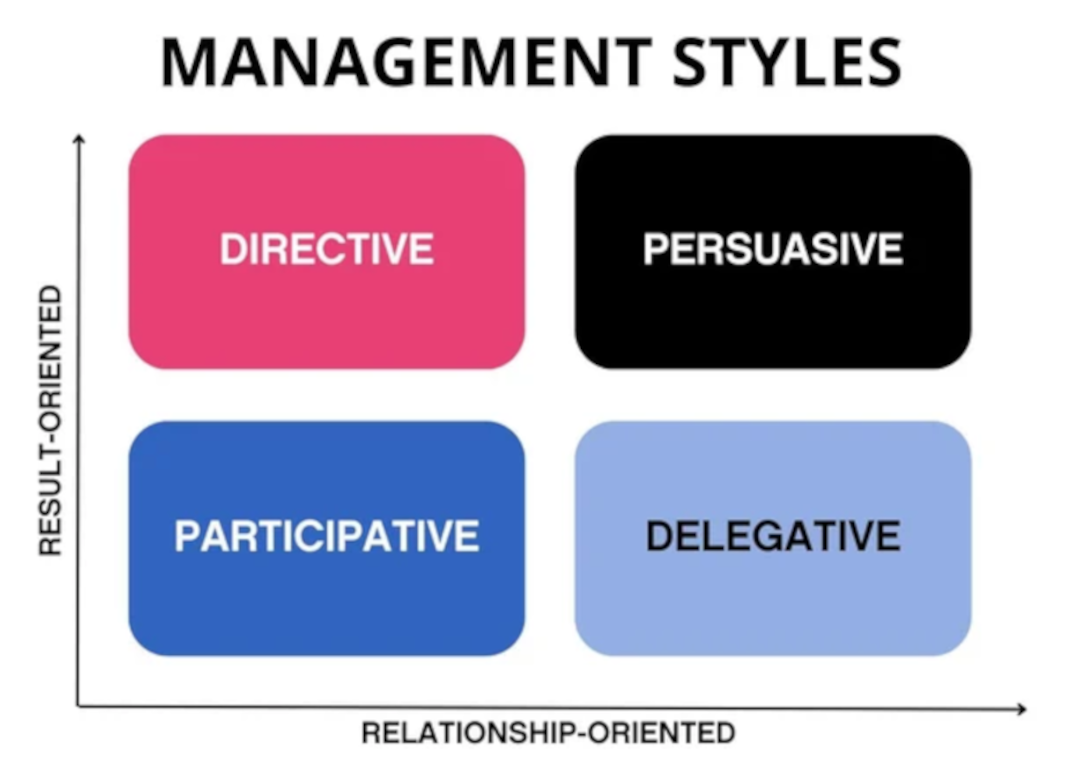
Principally, there are four management styles: directive, participative, persuasive, and delegative. We will contrast them below.
Directive management is top-down, where the manager makes decisions and tells employees what to do and often how to do it. This style is command-driven, hierarchical and authoritarian. It is most effective in crisis situations, when quick decisions are needed, or when employees are unskilled or inexperienced. When the roof is on fire, we will not have brainstorming meetings or group hugs and sing kumbaya. We are going to put the fire out as quickly as possible. When a ditch needs to be dug, we will assign the task to workers, identify the required location and parameters, and supervise them to ensure it is done correctly and efficiently. The directive style DOES NOT WORK with knowledge workers or creative professionals — it removes the element of creativity and innovation, demoralizes employees, and stifles initiative.
Participative management is bottom-up, where the manager involves employees in decision-making and encourages collaboration and teamwork. This style is democratic and inclusive. The structure itself is less hierarchical, flatter, and more flexible. This style is most effective when employees are skilled and experienced, when creativity and innovation are needed, or when the task requires collaboration. In this style, the manager acts as a facilitator, coach, and mentor, empowering employees to take ownership of their work and contribute to the organization's success.
Persuasive management is a blend of directive and participative styles. The manager makes decisions but seeks input and feedback from employees before implementing them. This style is most effective when employees are somewhat skilled and experienced, when quick decisions are needed, or when the task requires some level of collaboration. The manager acts as a communicator and motivator, explaining the rationale behind decisions and inspiring employees to support them.
Delegative management is hands-off, where the manager delegates decision-making authority to employees and trusts them to get the job done. This style is most effective when employees are highly skilled and experienced, when creativity and innovation are needed, or when the task requires autonomy. The manager acts as a coach and mentor, providing guidance and support as needed. This style can be risky if employees are not up to the task, but it can also lead to high levels of engagement and motivation.
Managing for Performance
The key to building a performance culture is to measure performance by results, not activity. Set clear goals and expectations, provide regular feedback and coaching, and recognize and reward high performance. Create an environment where employees feel valued and supported, and where they have the resources and tools they need to succeed. Encourage continuous learning and development, and foster a culture of innovation. Lead by example, demonstrating the behaviors and values you expect from your team. Tolerate mistakes, as long as three critical questions are answered: How do we fix it? How can we prevent it from happening again? What did we learn from this experience?
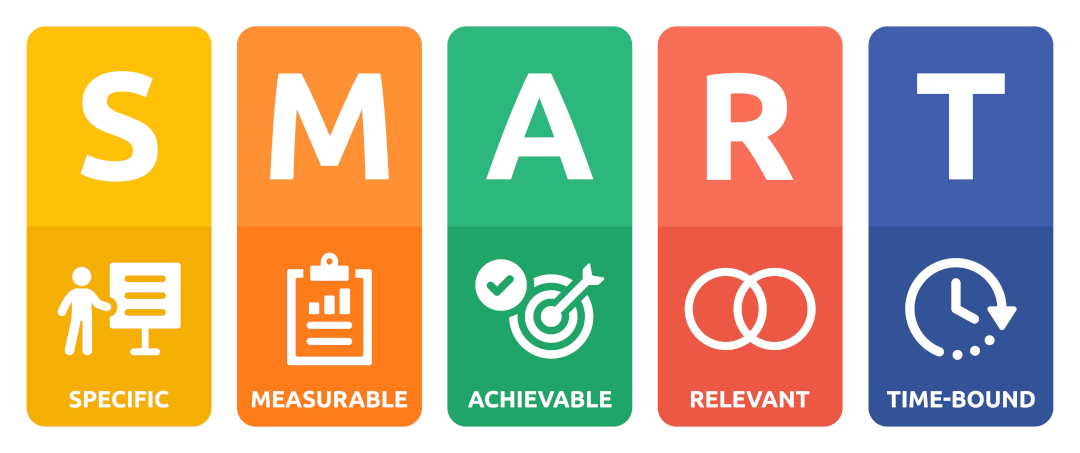
When performance is not measured by results, the consistent achievement of agreed-upon objectives, it will be based on "he said/she said". The attainment of SMART objectives (Specific, Measurable, Achievable, Relevant, and Time-bound) become secondary to the appearance of being busy. This leads to a culture of mediocrity, where employees are more concerned with looking good and busy than actually getting things done. This is detrimental to both the organization and the employees, as it stifles innovation, creativity, and productivity. Performance becomes a beauty contest, where those who are best at appearing good, productive, or busy are rewarded, rather than those who actually deliver results. This creates a toxic work environment, where employees are demotivated and disengaged, leading to high turnover rates and low morale.
Measuring Performance
What you measure is what you get. If you measure activity, you will get activity. If you measure results, you will get results. Therefore, it is critical to measure performance by results, not activity. This means setting clear goals and expectations, providing regular feedback and coaching, and recognizing and rewarding high performance. It also means creating an environment where employees feel valued and supported, and where they have the resources and tools they need to succeed.
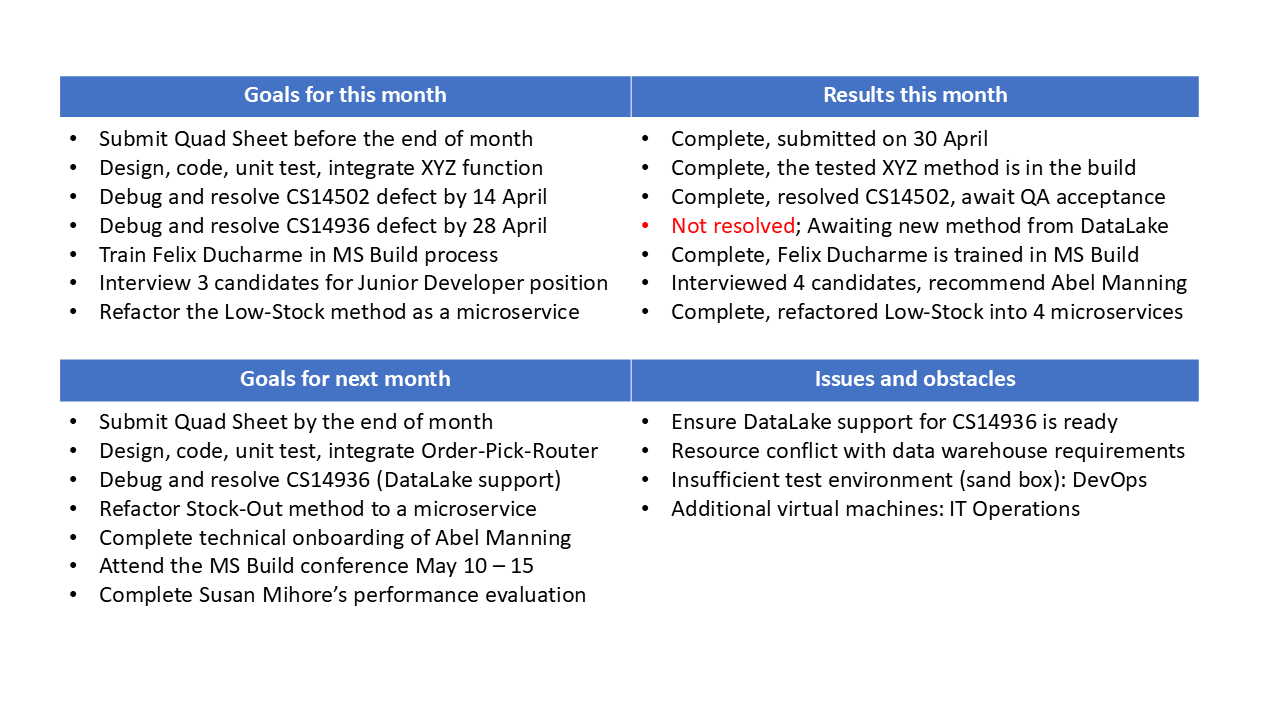
I managed knowledge workers: engineers, team leaders, project managers, department managers, etc. Some of them had semi-skilled subordinates reporting to them. I held regular monthly meetings with each member of my staff where we discussed how each of us could improve our performance. We reviewed a monthly status sheet we called the Quad Sheet above. It identifies three to five key goals for the past month, in bullet form, in the top left quadrant. The top right quadrant contains the results achieved during the past month, also in bullet form. We reviewed the results in detail, examining what went well, what could have been done better and the lessons we learned. Then we discussed the goals for the next month. These were recorded in the bottom left quadrant. The employee was to investigate these and formulate SMART objectives for each goal. In the bottom right quadrant, the employee is to record obstacles or issues that may prevent them from achieving their goals or need my help with.
Exceptional performance means consistently delivering above the quality and quantity of the expected results within budget and on schedule. This requires a clear understanding of the goals and expectations, high level of commitment and dedication, and substantial effort. It also requires a clear understanding of the constraints, or limitations, such as the budget, headcount, other resources, and project schedule.
Pay and Performance
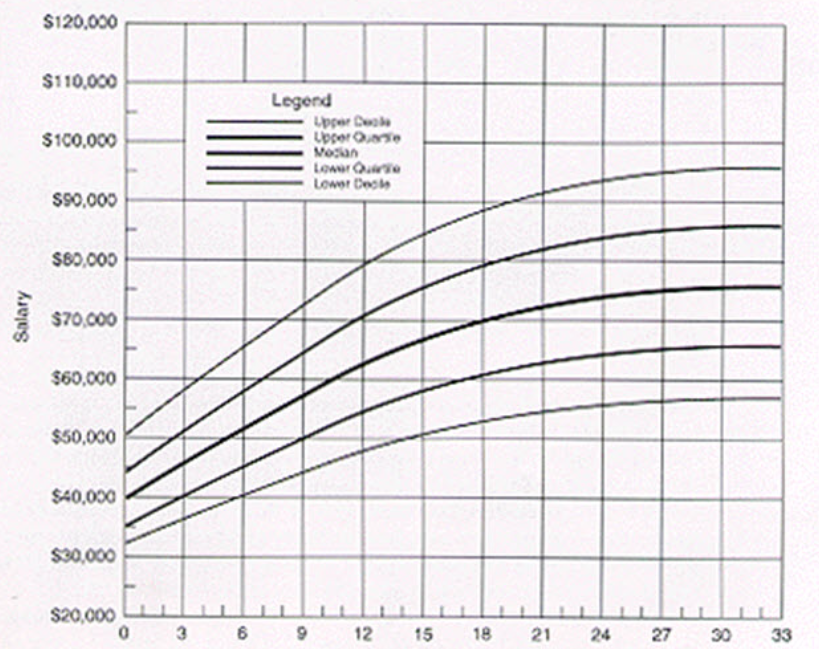
Pay must be tied to individual performance, not only company or team performance. This means that company performance should be reflected in bonuses like profit sharing, paid out once or twice per year. Other incentives, based on department or team performance, should be paid as quarterly bonuses. Individual pay levels should be determined solely on individual employee performance. This means, that if I have 5 years or relevant experience (the X-axis of the wage curves for my position -- sample above left) and perform at the 72nd percentile, then I should expect to earn the indicated rate of pay by the end of the year (Y-axis). The wage curves define the minimum, average and maximum new hire rates for a given position with given years of relevant experience.
Read the next chapter on Leadership to learn about the principles of leadership and how great leaders are made.

About Me
Location: Gyöngyös, Hungary (GMT+1) and pretty much anywhere else in the world. I am a digital nomad and travel while working, or vice versa.
I was born in Budapest, Hungary where I grew up (albeit many would debate the conclusion). I escaped the then communist country at age 19 and emigrated to the United States. After a 40-year career as a software engineer, manager, director and business owner, I retired to the Philippines where I had lived for three years while traveling the world. Since November, 2010, I am very happily married to a lovely Filipina. We now make our more-or-less permanent home in Gyöngyös, Hungary. More…