
Mission
The Quest for Purpose Continues
Mission
Mission is the reason for being, the purpose of an organization. It defines why the organization exists, what it does, and for whom. A well-crafted mission statement provides clarity and direction, guiding decision-making and aligning efforts towards common goals. It serves as a foundation for strategic planning, helping to ensure that all actions and initiatives are consistent with the organization's core purpose and values.
Core purpose
Describe, in simple words, why your company, department, team, or project exists. What is the fundamental reason for its existence? What value does it provide to customers, stakeholders, or society at large? The core purpose should be timeless, enduring, and not tied to specific products, services, or market conditions.
Core values
Using single words or simple phrases, list the guiding principles and beliefs that shape the culture and behavior of your organization. Core values should reflect what is important to the organization and its members, influencing decision-making, interactions, and overall conduct. These values should be authentic, meaningful, and consistently upheld by and for all the stakeholders — owners, customers, employees, and suppliers. Some suggestions: Integrity, Excellence, Innovation, Value, Fairness, Respect, Teamwork, Collaboration, Sustainability, and Customer-centricity.
Characteristics
The mission statement should embody the following characteristics to be effective and impactful: it should be a single sentence, memorable, and inspiring. It should clearly articulate the organization's purpose and values, providing a sense of direction and motivation for all stakeholders. It should radiate the founder's passion and commitment to the mission, resonating deeply with employees, customers, and partners alike.
Here are six memorable mission statements from well-known companies:
-
Nike
To bring inspiration and innovation to every athlete in the world. (If you have a body, you are an athlete.)
-
Patagonia
We�re in business to save our home planet.
-
TED
Spread ideas
-
Tesla
To accelerate the world�s transition to sustainable energy.
-
IKEA
To create a better everyday life for the many people.
-
Google
To organize the world�s information and make it universally accessible and useful.
The next chapter will focus on setting objectives with Key Performance Indicators (KPIs).
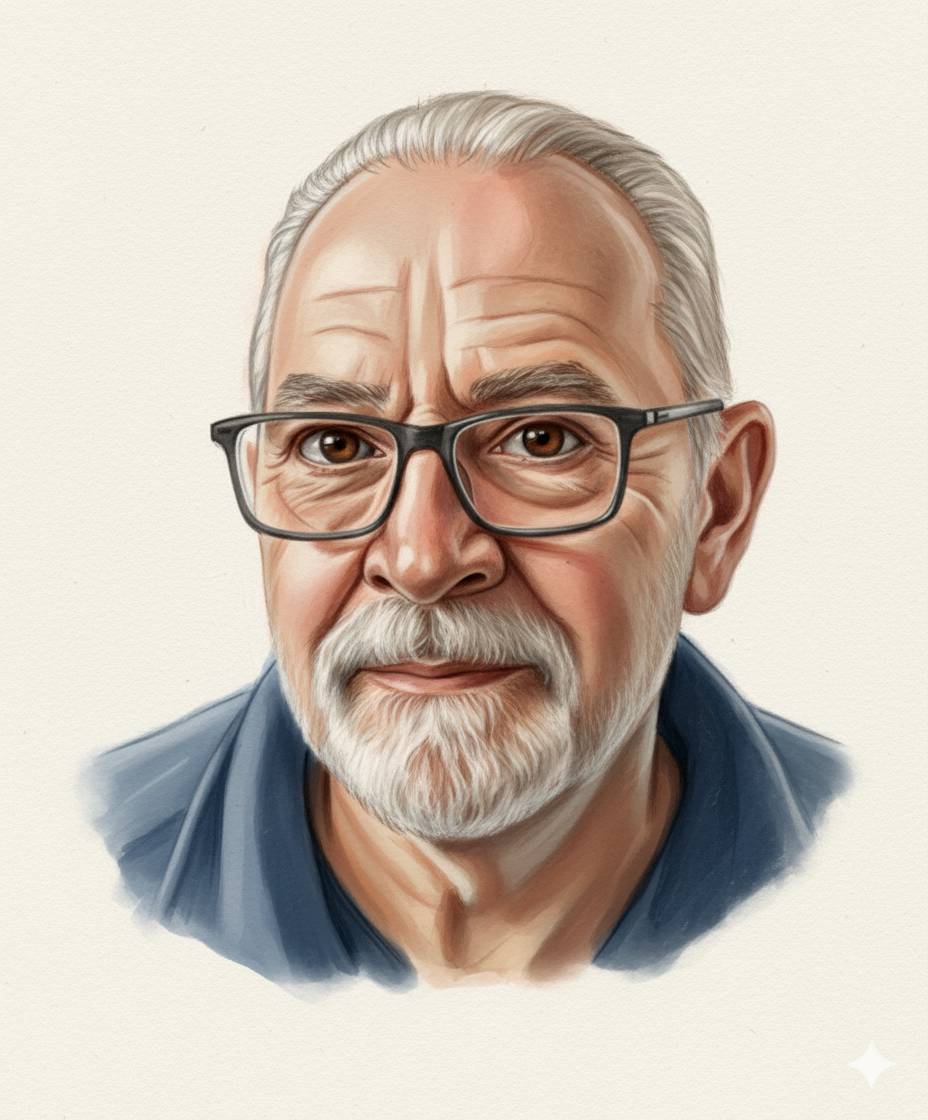
About Me
Location: Gyöngyös, Hungary (GMT+1) and pretty much anywhere else in the world. I am a digital nomad and travel while working, or vice versa.
I was born in Budapest, Hungary where I grew up (albeit many would debate the conclusion). I escaped the then communist country at age 19 and emigrated to the United States. After a 40-year career as a software engineer, manager, director and business owner, I retired to the Philippines where I had lived for three years while traveling the world. Since November, 2010, I am very happily married to a lovely Filipina. We now make our more-or-less permanent home in Gyöngyös, Hungary. More…