
Management & Leadership
The Quest for Purpose Continues
Definitions
Management is getting work done through others. Leadership is inspiring others to find the greatness within themselves. These are my definitions, but if you agree with them, even if only partially, then you see that people (others) matter most. Thus, both management and leadership are built on relationships, discussed in Chapter 10.
Prerequisites
Before you can become a good manager or a good leader, you must first be a good person. This means developing your character, integrity, and emotional intelligence. Be honest and honorable, trusting and trustworthy, empathetic and compassionate while being results focused. This is the foundation of both effective management and leadership.
The second prerequisite of good management and leadership is self-awareness. You must understand your strengths and weaknesses, your values and beliefs, and your impact on others. This requires regular self-reflection and feedback. Only then can you effectively manage and lead people.

The third prerequisite is to check your ego at the front gate or door. Your ego is your sense of self-importance, your need for recognition and validation, and your desire for power and control. When your ego is in charge, you will be more concerned with your own needs and desires than with the needs and desires of others and appear insecure in your position. This will lead to poor management and leadership, as you will be unable to effectively connect with and inspire others. The role of the ego is discussed in Chapter 3. Simply, keep your ego out of the realm of management and leadership.
Additional requirements
Endurance: Management and leadership are not easy tasks. They require patience, persistence, and resilience. You must be able to handle stress, setbacks, and challenges without losing your composure or focus. Most of all, it takes time to prove yourself, your organizational and leadership abilities. Remember: it is a process, not an event.
Communication skills: Effective communication is essential for both management and leadership. You must be able to clearly articulate your vision, goals, and expectations, as well as listen actively and empathetically to others. This includes verbal, non-verbal, and written communication.
Attention to detail: Good managers and leaders pay attention to the details. They understand that small things can make a big difference, and they are diligent in ensuring that everything is done correctly and efficiently. This includes setting clear expectations, monitoring progress, and providing feedback.
Ability to see the "Big Picture": Good managers and leaders are able to see beyond the immediate task or project and understand how it fits into the larger organizational goals and objectives. They are able to think strategically and make decisions that align with the organization's mission and vision. In short, take responsibility for your boss's success.

Goal alignment: Good managers and leaders ensure that individual and team goals are aligned with organizational goals. This requires clear communication, collaboration, and a shared understanding of the organization's mission and vision, a shared purpose. Once individual goals are aligned with organizational goals, it is easier to measure performance and hold people accountable.
Self-confidence: Self-confidence is the belief in your own abilities and judgment. It is essential for both management and leadership, as it allows you to make decisions, take risks, and inspire others. However, self-confidence must be balanced with humility and a willingness to learn from others.
Charisma: Charisma is the ability to inspire and influence others through your personality, presence, energy, and the strength of your convictions. Not everyone is born with charisma, but it can be developed through practice and self-awareness. Charismatic leaders are able to create a sense of excitement and enthusiasm among their followers, motivating them to achieve great things.
Finally...

Remember who you work for. It isn't the department manager, or the vice president, or the CEO, or the board of directors. You work for the people who can make you succeed or fail, your team. Your job is to make them successful. When they succeed, you succeed. When they fail, so do you.
Turn to Chapter 12 to learn more about management styles and effective practices and behaviors.
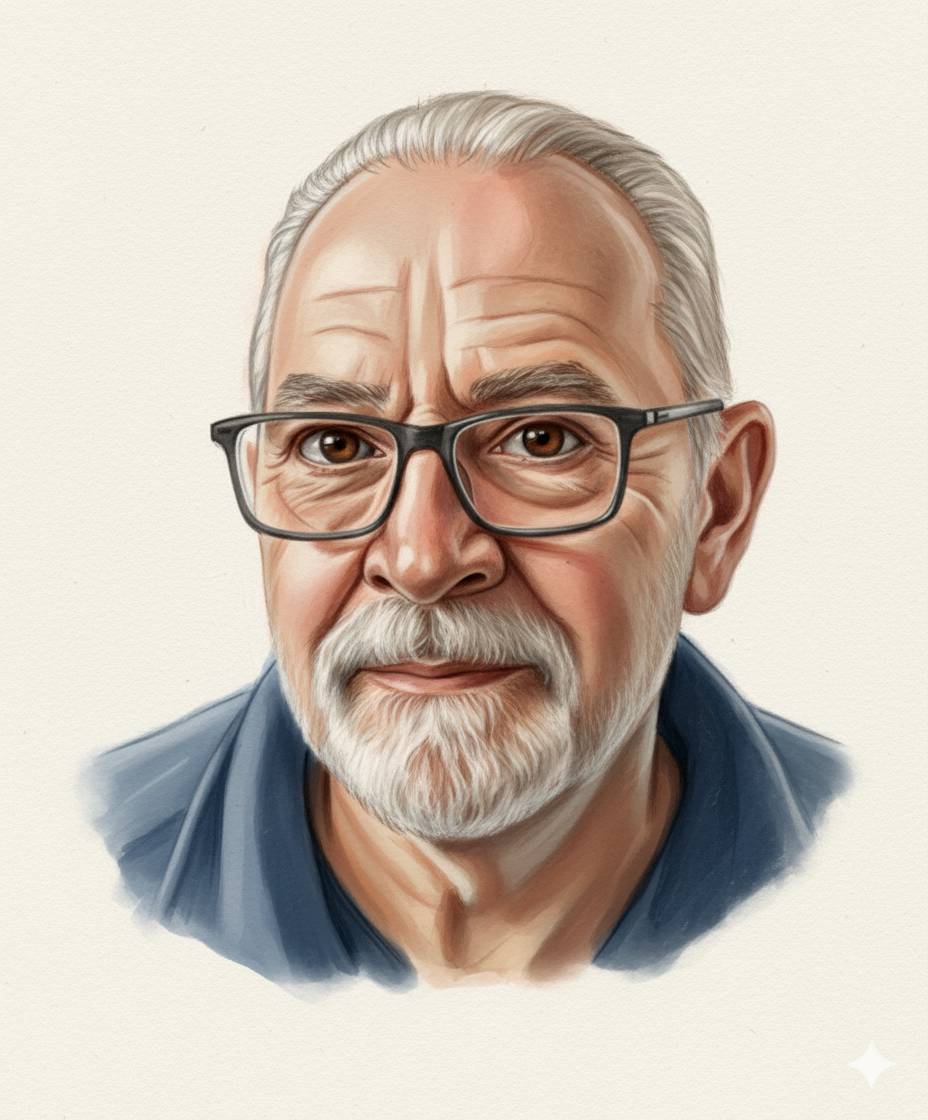
About Me
Location: Gyöngyös, Hungary (GMT+1) and pretty much anywhere else in the world. I am a digital nomad and travel while working, or vice versa.
I was born in Budapest, Hungary where I grew up (albeit many would debate the conclusion). I escaped the then communist country at age 19 and emigrated to the United States. After a 40-year career as a software engineer, manager, director and business owner, I retired to the Philippines where I had lived for three years while traveling the world. Since November, 2010, I am very happily married to a lovely Filipina. We now make our more-or-less permanent home in Gyöngyös, Hungary. More…