
The Tao of Self-Realization: Love
The Quest for Purpose Continues
Love: the Tao of Self-realization
Spiritual evolution is a process and not an event — it takes time. It is also non-linear, meaning that it happens in spurts of growth, then plateauing for a while as we process the growth stage, then growing again. Do not be discouraged if you get captured by the false gods of money or time (and their derivatives) from time to time. It is normal. You now have the tools to become aware of the myriad traps of self-indulgence and negative emotions like fear (and its derivatives like anger, guilt or worry). Letting go of grievances and resentments also takes time and practice. Remain resolute to return to the spiritual path.
I still hear the murmurs of your ego-mind telling you, "It's easier said than done", that you are not good enough, that you are not worthy, that you need to do more, be more, have more. When you are augering into negative emotions, allow your Higher Self to recognize that these thoughts are mere illusions triggered by external things or people. Lean into the light, away from the darkness. Remind yourself that the thoughts (and feelings they engender) are not real. You are not your thoughts. You are the awareness behind them. You are the observer. They are not the authentic expressions of your true self.
You are, in essence, love. You are a spiritual being having a human experience, and not a human being having an occasional spiritual experience. When you realize this, you will be able to let go of the need to prove your worth to yourself or to others. You will be able to let go of the need to accumulate material possessions or achievements to feel good about yourself. You have nothing to prove. You are already whole and complete as you are. You are love.
We express who we are (love) through relationships and actions (what we do). When we are in alignment with our true selves, we naturally attract people and situations that reflect our inner state. We become magnets for positive experiences and relationships that nurture our growth and well-being. This is the essence of self-realization — recognizing and embracing our true nature as love, and allowing that love to guide our actions and relationships. I cover the four aspects of relationships (intellectual, emotional, physical, and spiritual) and the three essential pillars (trust, respect, and integrity) in the next chapter. I highly recommend you read it to deepen your understanding of how love manifests in our lives.
I hope you are now thinking, "I want that, I want to achieve self-realization". Great! But first, let go of the wanting. Desire is the root of suffering, as taught by the Buddha. When you keep wanting, the provident universe gives you more wanting. Instead, focus on being present in the moment, appreciating what you have and have achieved, and cultivating gratitude for the journey itself. Self-realization is not a destination to be reached, but a state of being to be experienced. It is about living authentically, in alignment with your true self, and embracing the journey of growth and spiritual evolution.
"Yeah, it's all good and well, but what do I have to do to get there?", you might ask. Firstly, I want to remind you that this journey is far more about being and becoming than doing. That said, here are some practical steps you can take to move towards self-realization:
-
Mindfulness & Contemplation: Deep listening (with spirit, not just ears) and quiet meditation. I have discussed the importance
of listening. Meditation is a powerful tool for cultivating mindfulness and self-awareness. Set aside time each day to sit in
silence, focus on your breath, and observe your thoughts and feelings without judgment. Breathe in for four seconds, hold for
four seconds, breathe out for four seconds, hold for four seconds, and repeat. This simple practice can help you cultivate
inner peace and clarity.
- Letting Go: Releasing attachment to outcomes, opinions, and rigid ideas to find freedom. Remember, your negative reactions, i.e.: frustration, anger, resentment, are caused not by circumstances, events, or people but by your attachment to the outcome. A flat tire is just a flat tire. Your attachments are rooted in attachments to how you think things should be. Practice letting go of these attachments, grievances and resentments and embrace acceptance.
-
Embracing Impermanence: Accepting loss and change as natural parts of life. My best friend since my days of serving in the
US Air Force passed away almost thirty years ago. It was a shock to me, as I thought he was invincible — Don regularly
ran marathons and lived a generally healthy lifestyle. But death is a natural part of life. Embracing impermanence helps us
appreciate the present moment and let go of fear of loss. Review my essay on
time. As I quoted Deepak Chopra back in
Chapter 1,
The past is reflection, the future is anticipation. Therefore, time is just the movement of thought.
or, more poetically paraphrased by Marianne Williamson,
The past is history, the future is mystery. This moment is a gift, which is why it is called the present.
- Self-Definition: Defining success and ethics from your own inner truth, not external expectations. Do take a moment to reflect on your achievements to date and express gratitude for them; be grateful for what you've accomplished. You have come a long way on your journey of self-realization. Celebrate your progress and acknowledge the growth you have experienced. This will help you stay motivated and inspired to continue on your path. Think about how you would define success in the future, without any extraneous influences, such as material wealth, social norms or family and job expectations. What would success look like for you if you were to define it from your own inner truth? It is not easy, is it?
The goal is to experience life with inner peace, clarity, and resilience, free from the ego's demands, finding meaning in simply being and becoming.
The Tao of Self-Realization is about understanding you're part of the universal flow (the Tao) by living naturally, finding inner peace, and aligning with nature, moving beyond ego and constant striving through practices like mindfulness and letting go (Wu Wei), ultimately achieving fulfillment by living authentically and connecting to the greater whole, often using principles from Taoism and Zen to find true self-worth beyond worldly measures.
Read the next chapter, Relationships, to conclude the personal development part of your quest for purpose. Following that are the professional development chapters, which will help you apply the principles of management and leadership to your career and life.
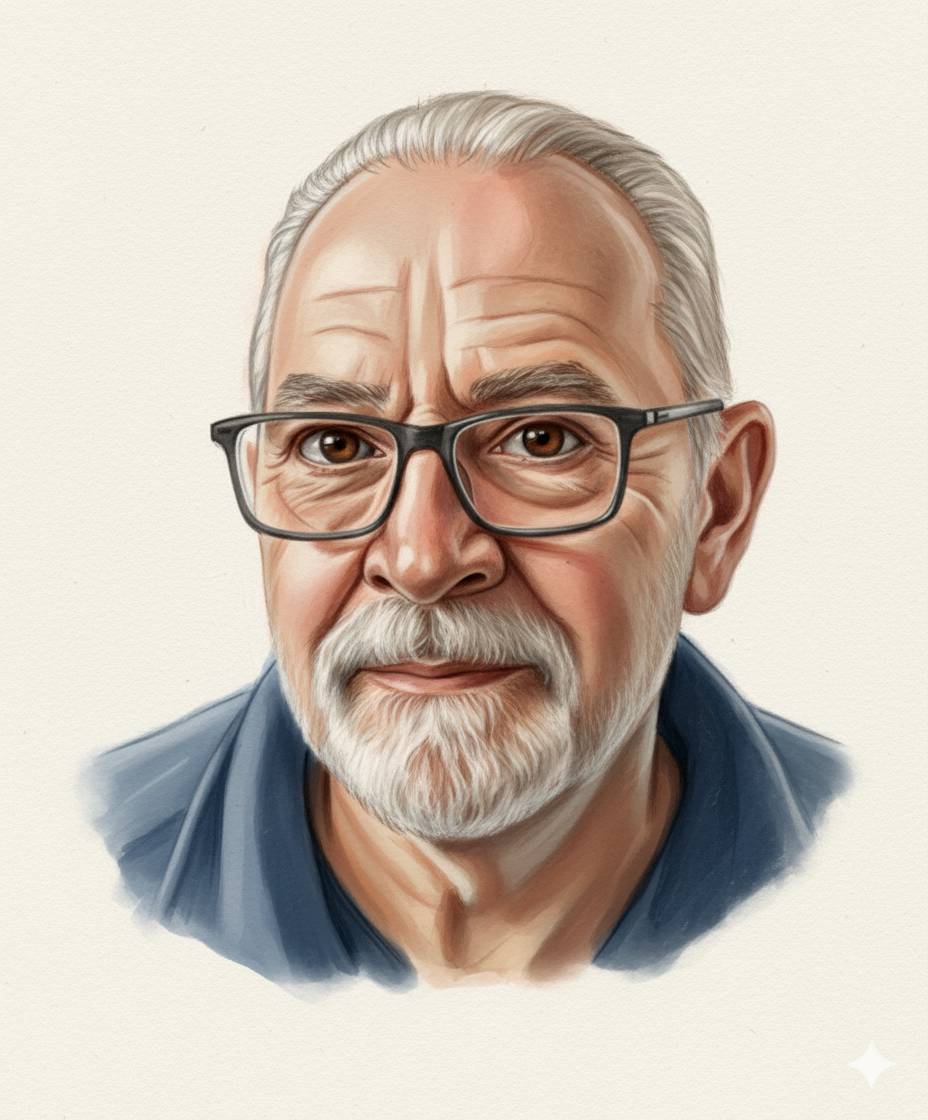
About Me
Location: Gyöngyös, Hungary (GMT+1) and pretty much anywhere else in the world. I am a digital nomad and travel while working, or vice versa.
I was born in Budapest, Hungary where I grew up (albeit many would debate the conclusion). I escaped the then communist country at age 19 and emigrated to the United States. After a 40-year career as a software engineer, manager, director and business owner, I retired to the Philippines where I had lived for three years while traveling the world. Since November, 2010, I am very happily married to a lovely Filipina. We now make our more-or-less permanent home in Gyöngyös, Hungary. More…